
Calmly Kid: Helping Parents Thrive
-
Long-Distance Parenting: 7 Ways to Stay Involved in Your Child’s Daily Life
Understanding the Challenges of Long-Distance Parenting Long-distance parenting presents a unique set of challenges that can significantly impact both parents and children. One of the primary issues is emotional distance. When parents live far from their children, they may find it difficult to be fully present in their lives. This separation can lead to feelings…
-
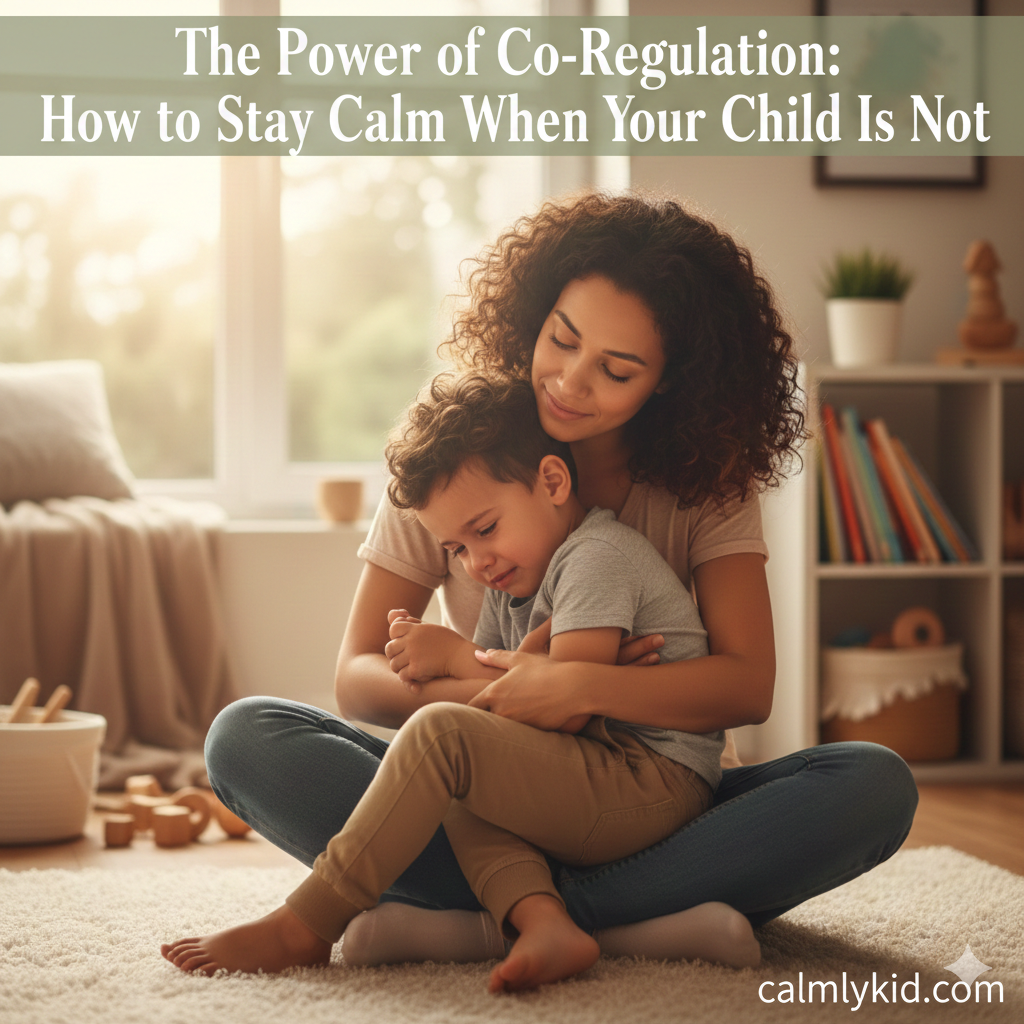
The Power of Co-Regulation: How to Stay Calm When Your Child Is Not
Understanding Co-Regulation Co-regulation refers to the process by which individuals influence each other’s emotional and physiological states. In the context of parenting, co-regulation describes how parents and caregivers can help children manage their emotional responses to challenging situations. This process is particularly significant in the developmental journey of children, as it lays the foundation for…
-

The “Magic” Bedtime Routine: 5 Yoga Poses to Help Your Child Fall Asleep Faster
Understanding the Importance of a Bedtime Routine Establishing a bedtime routine is essential for promoting healthy sleep patterns in children. Research suggests that children who follow consistent sleep schedules not only fall asleep faster but also experience improved sleep quality. A structured routine acts as a signal to the body that it is time to…
-

The Rise of the Eco-Kid: 5 Simple Ways to Teach Climate Resilience Through Daily Chores
Introduction: The Importance of Teaching Climate Resilience to Kids In an era marked by escalating environmental challenges, the urgency to instill climate resilience in future generations is more pressing than ever. Climate resilience refers to the ability to anticipate, prepare for, respond to, and recover from adverse environmental events and changes, fundamentally ensuring the sustainability…
-
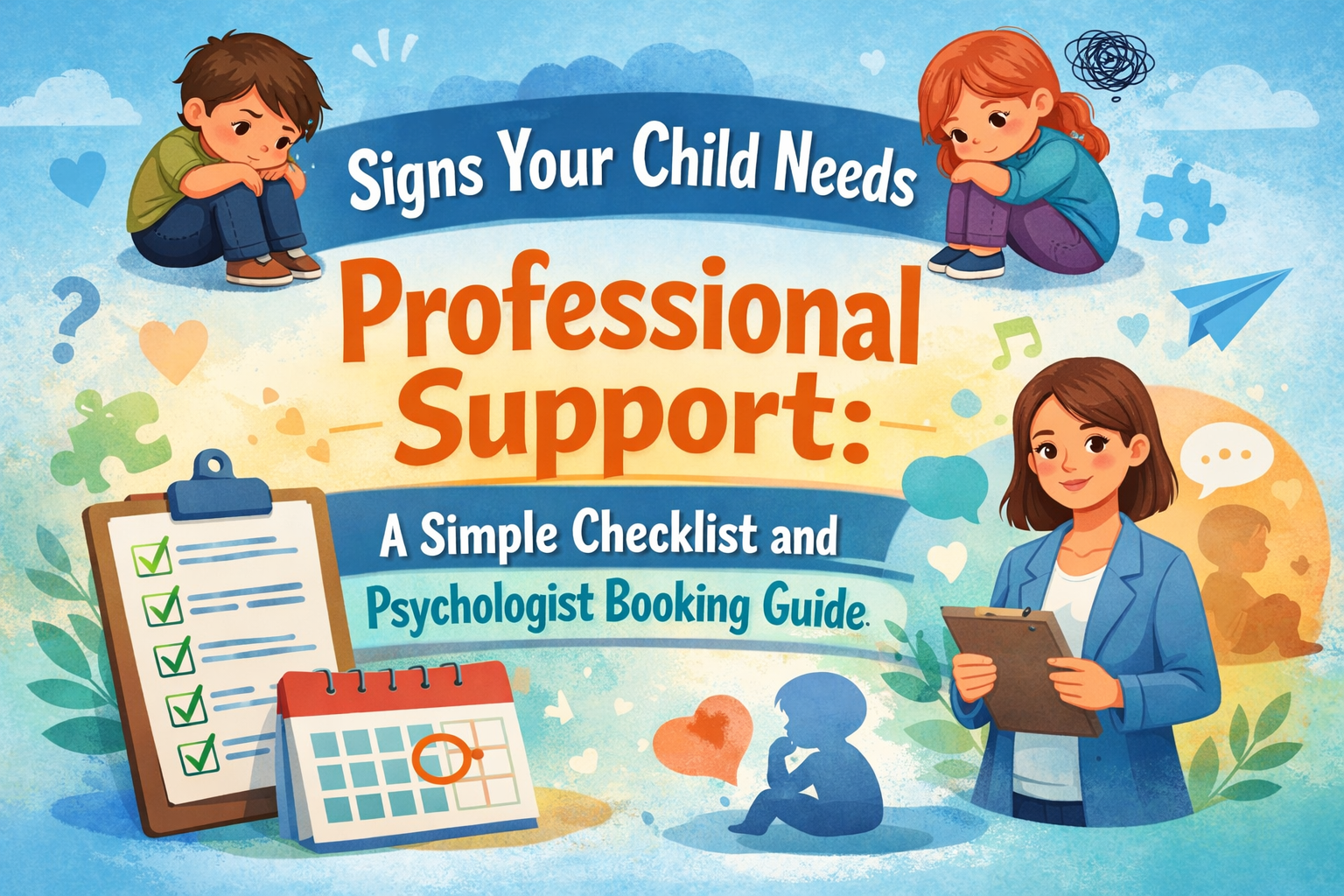
Signs Your Child Needs Professional Support: A Simple Checklist and Psychologist Booking Guide
As parents, we often wear many hats—chef, chauffeur, teacher, and sometimes even amateur therapist. But when it comes to our children’s mental health, knowing when to step back and seek professional help can make all the difference. In today’s fast-paced world, kids face pressures from school, social media, family dynamics, and even global events that…
-
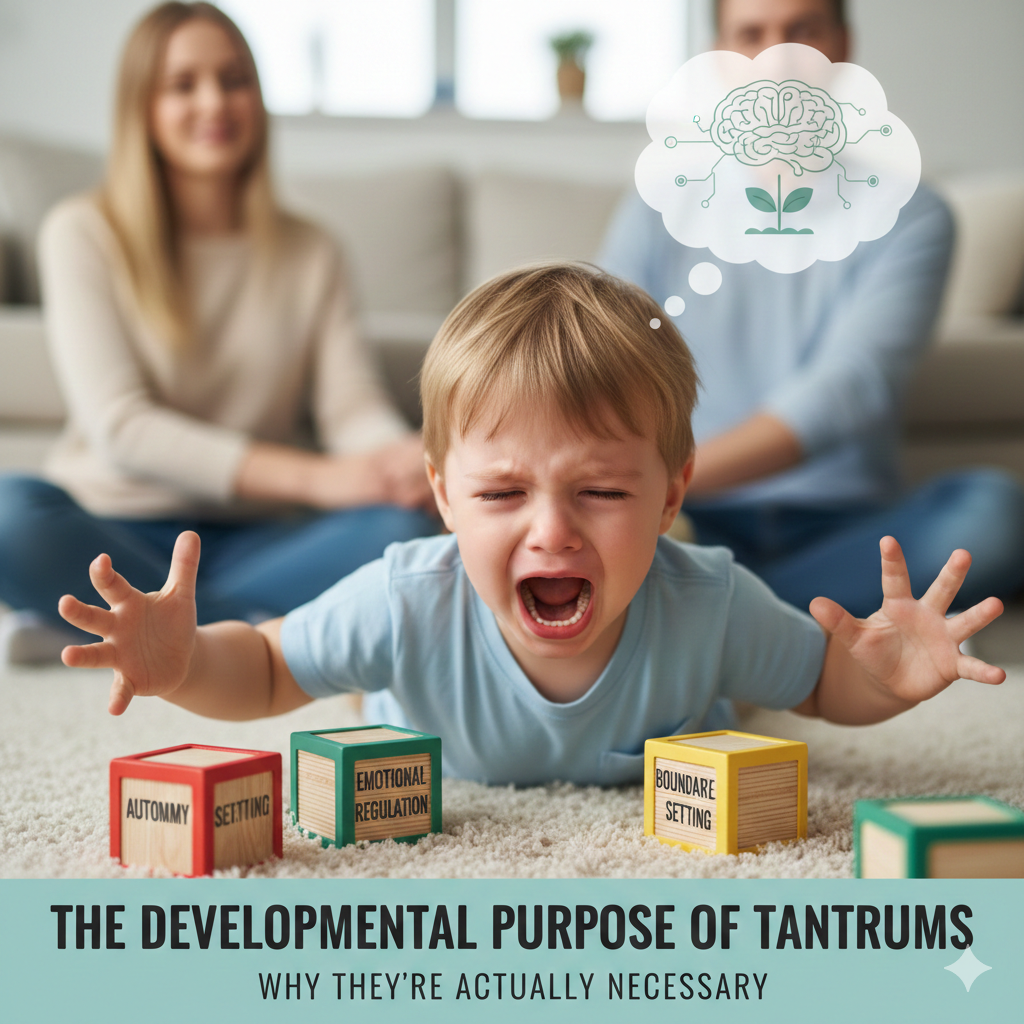
The Developmental Purpose of Tantrums: Why They’re Actually Necessary
If you’re parenting a toddler, tantrums can feel overwhelming, embarrassing, and exhausting. One minute your child is laughing, and the next they’re on the floor crying because the banana broke in half or you gave them the “wrong” color cup. Many parents worry:“Is this normal?”“Am I doing something wrong?”“Why does my toddler have so many…
-

Brain Development and the Prefrontal Cortex: How Your Toddler’s Brain Is Growing Every Day
If you have a toddler at home, you’ve probably wondered:“Why does my child act before thinking?”“Why is sharing so hard?”“Why do tantrums happen so suddenly?” The answer lies in your toddler’s growing brain—especially a part called the prefrontal cortex. Let’s understand what it is, why it matters, and how you can support your toddler’s brain…
-
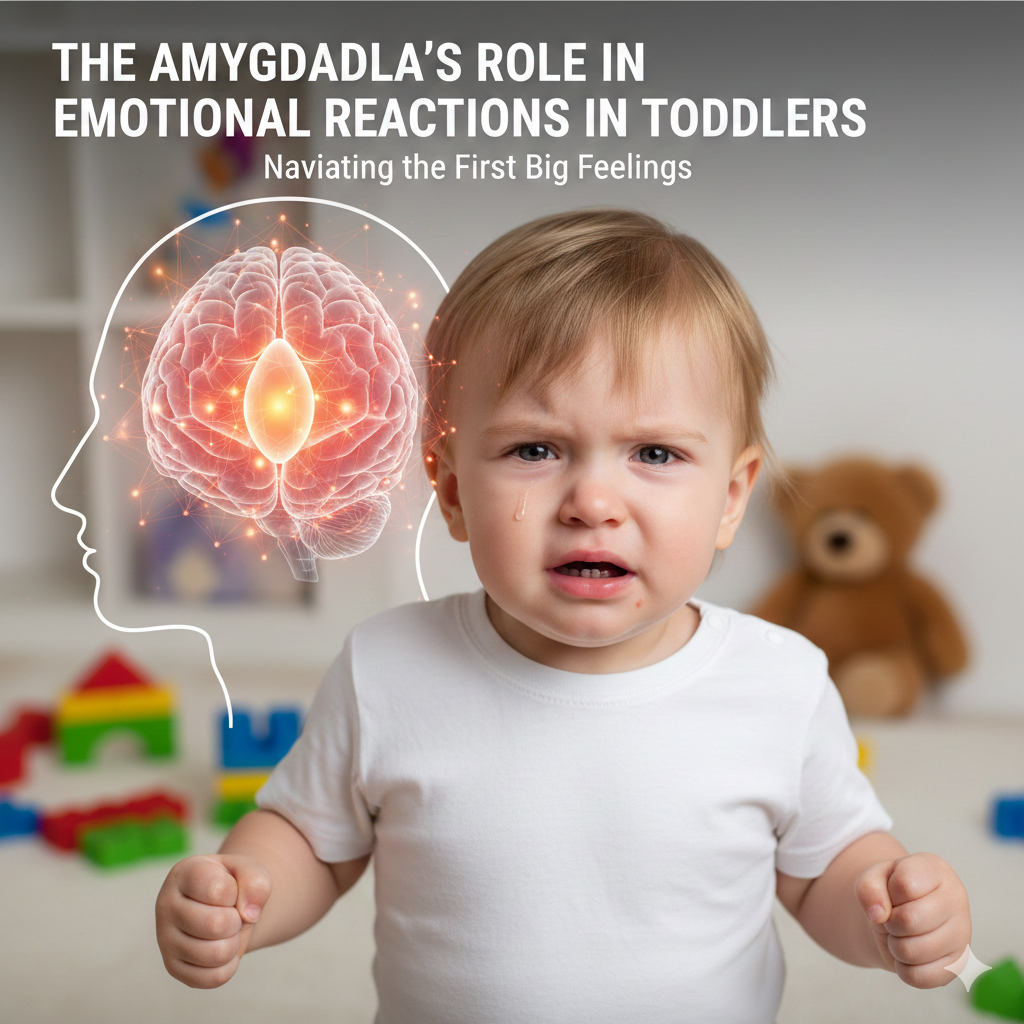
The Amygdala’s Role in Emotional Reactions in Toddlers
A small part of the brain called the amygdala plays a big role in toddler’s emotional reactions. If you have a toddler, you’ve probably seen sudden crying, fear, anger, or big meltdowns that seem to come out of nowhere. One moment your child is calm, and the next they are screaming or scared.This is not…
-
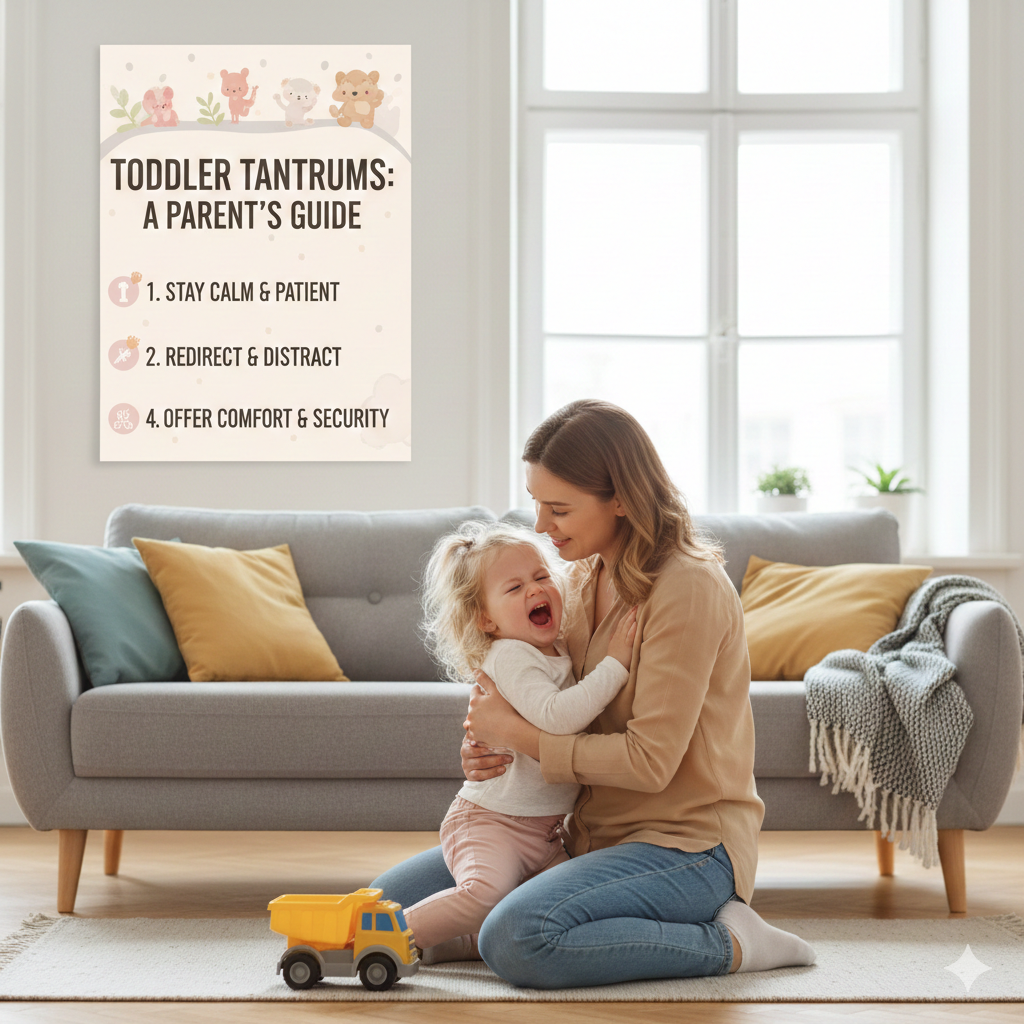
How to Handle Toddler Tantrums: 5 Gentle Parenting Strategies That Actually Work
Dealing with a tantrum-throwing toddler can be tough. The screaming, crying, and flailing can make you feel frustrated and helpless. But, what if tantrums could be chances for growth and bonding with your child? Gentle parenting is a kind way to handle toddler temper tantrums. It involves understanding and meeting your child’s feelings and needs.…